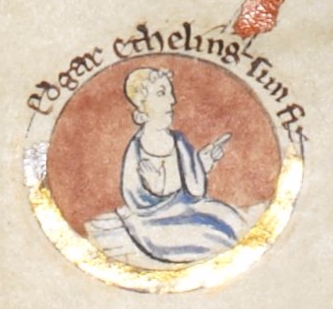
Edgar the Atheling was now a subject of William the Conqueror and in 1081 he accompanied him on expedition into South Wales. However, in 1085, disappointed with respect and recompense he had received from William, Edgar asked the King for permission to leave for the Norman lands in southern Italy and Sicily, with a retinue of 200 knights. It is likely that this expedition was unsuccessful as Edgar returned to England within a few years. However, in 1087 William died and although Edgar attended William Rufus' coronation, Edgar supported Robert Curthose, the eldest son of William, in his dispute with William II. However, Robert Curthose's war ended in failure in 1091 and as part of the settlement between the brothers, Edgar was deprived of lands given to him by Edgar, presumably in Normandy. Edgar once again returned to Malcolm in Scotland who was preparing to wage war against Rufus. However, the two Kings decided to negotiate instead of fighting and Edgar represented Malcolm, while Curthose represented William, who he had been reconciled with. With the resulting agreement there was a reconciliation between Edgar and Rufus, however Robert Curthose soon left for Normandy, discontent with William's failure to fulfil the pact between them. Edgar the Atheling left with Curthose, but once again returned to England and in 1093 Edgar was sent on a diplomatic mission for William to negotiate with Malcolm. The King of Scotland was dissatisfied with William's failure to fulfil the terms agreed upon in 1091. However, the dispute lead to war, when Malcolm invaded Northumbria, he was killed at the Battle of Alnwick. Donald III succeeded Malcolm as King of Scotland, he drove out the English and French retainers who had grown powerful under Malcolm's reign (and so some of the local aristocracy was jealous of them). This lead Scotland into another conflict with the King of England. William helped Malcolm's eldest son Duncan gain the throne of Scotland, Duncan had spent many years as a prisoner of William's father, but when he gained freedom from William II he decided to stay at William II's court. However, Donald soon regained the Scottish throne and Duncan was killed after only reigning for 7 months.
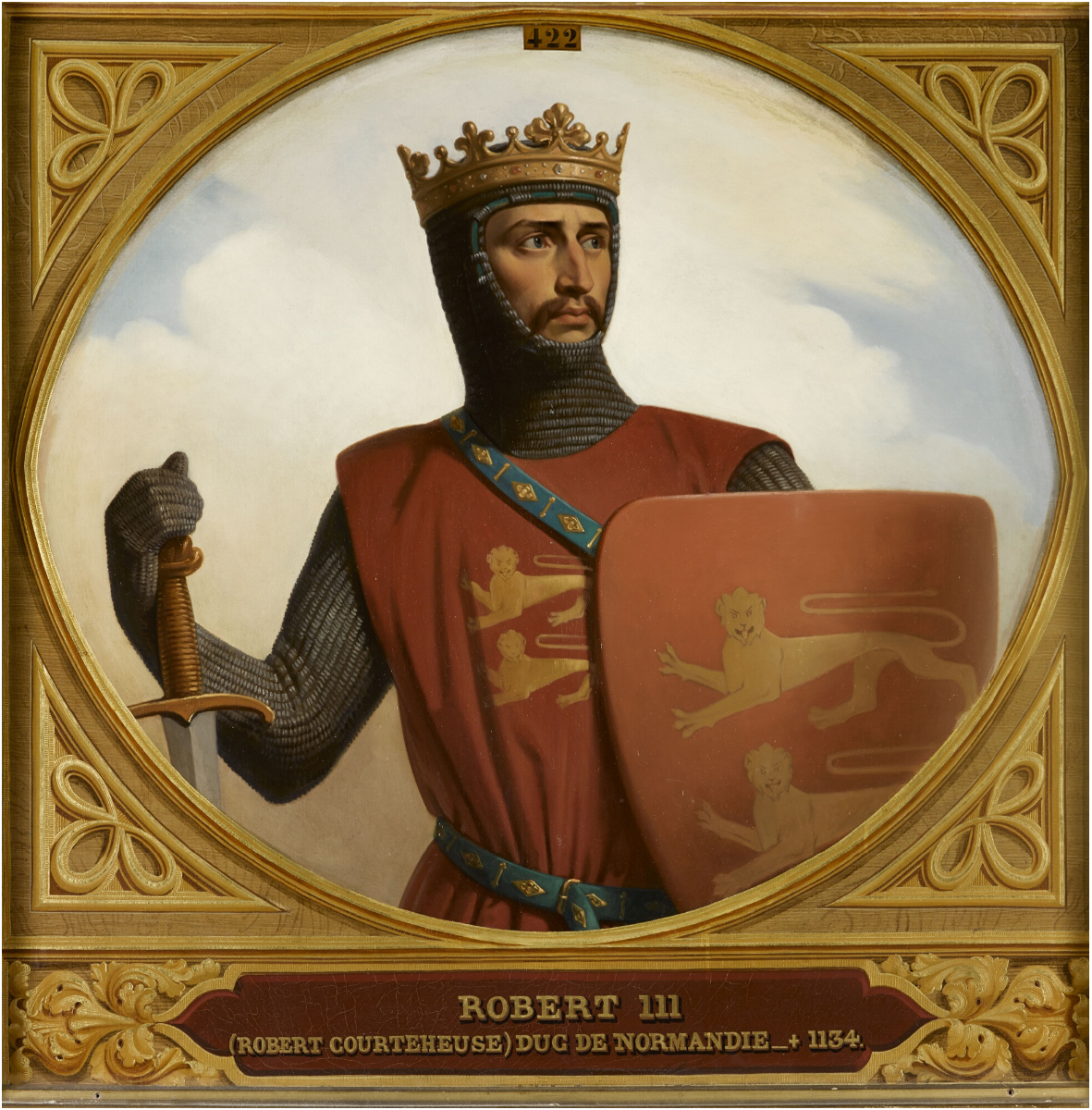
 Robert Curthose
In 1097, another expedition was sent to Scotland, with the interest of restoring Anglo-Norman influence once more, Edgar the Atheling lead the invading army, ousting Donald out as King of Scotland. Edgar, the nephew of Edgar the Atheling and son of Malcolm and Margaret was installed as King of Scotland. It is possible that Edgar the Atheling went on the First Crusade, after all Robert Curthose was one of the prominent figures on the First Crusade. However, it is unknown if Edgar was actually at any point with Robert on the crusade. Orderic tells that Edgar was the commander of a English fleet off the coast of Syria that was aiding the crusade, however this fleet is known to have arrived of the Syrian coast by March 1098, and had invaded Scotland in late 1097. This means it would have been almost impossible for Edgar to make the voyage in time, however Edgar could have joined the voyage on its way, in the Mediterranean. However, William of Malmesbury writes that Edgar went on pilgrimage to Jerusalem in 1102, so Orderic may have been confused with this later expedition. Some historians think Edgar may have served in the Varangian Guard of the Byzantine Empire at around this time, which was mainly composed of English exiles at this point, but evidence does not support this. Malmesbury states that when Edgar was on his way back from Jerusalem, he was given rich gifts by the Holy Roman and Byzantine Emperors, who offered him an honoured place at their courts. However, Edgar refused and returned back home.

A 15th century potrayal of the Battle of Tinchebray
Edgar once again decided to take part in the internal struggles of the Norman dynasty, siding with Robert Curthose against Henry I of England (Curthose's youngest brother). However, Robert was defeated at the Battle of Tinchebray, resulting in him being imprisoned for the rest of his life. Edgar, however, was pardoned by Henry. His niece Edith (renamed Matilda), the daughter of Malcolm and Margaret had married Henry in 1100. Edgar is believed to have travelled at least one more time to Scotland, possibly around 1120. Edgar lived to see the death of William Adeling, Henry's son and heir, from Margaret, at sea in November 1120. According to William of Malmesbury, who was writing at the time, Edgar was still alive in 1125, and the general consensus that he died then soon after, the location of his grave is unknown. However, there are two curious references to a 'Edgar Adeling' in the Magnus Rotulus Pipae Northumberland (pipe rolls) for the years 1158 and 1167. This could either be the same Edgar, aged around 110 years (though this is unlikely) or it could be a son or someone else known by this name. Howver, Edgar is not known to have ever been married or to have had any children.
Bibliography:
The Ayling Story | Edgar Atheling." The Ayling Story. N.p., n.d. Web. 8 June 2014
.Binns, Stewart. "Stewart Binns on Edgar the Atheling." Historical Novel Society RSS. N.p., n.d. Web. 8 June 2014.
"The House Of Wessex." English Monarchs. N.p., n.d. Web. 08 June 2014.
In 1097, another expedition was sent to Scotland, with the interest of restoring Anglo-Norman influence once more, Edgar the Atheling lead the invading army, ousting Donald out as King of Scotland. Edgar, the nephew of Edgar the Atheling and son of Malcolm and Margaret was installed as King of Scotland. It is possible that Edgar the Atheling went on the First Crusade, after all Robert Curthose was one of the prominent figures on the First Crusade. However, it is unknown if Edgar was actually at any point with Robert on the crusade. Orderic tells that Edgar was the commander of a English fleet off the coast of Syria that was aiding the crusade, however this fleet is known to have arrived of the Syrian coast by March 1098, and had invaded Scotland in late 1097. This means it would have been almost impossible for Edgar to make the voyage in time, however Edgar could have joined the voyage on its way, in the Mediterranean. However, William of Malmesbury writes that Edgar went on pilgrimage to Jerusalem in 1102, so Orderic may have been confused with this later expedition. Some historians think Edgar may have served in the Varangian Guard of the Byzantine Empire at around this time, which was mainly composed of English exiles at this point, but evidence does not support this. Malmesbury states that when Edgar was on his way back from Jerusalem, he was given rich gifts by the Holy Roman and Byzantine Emperors, who offered him an honoured place at their courts. However, Edgar refused and returned back home.

A 15th century potrayal of the Battle of Tinchebray
Edgar once again decided to take part in the internal struggles of the Norman dynasty, siding with Robert Curthose against Henry I of England (Curthose's youngest brother). However, Robert was defeated at the Battle of Tinchebray, resulting in him being imprisoned for the rest of his life. Edgar, however, was pardoned by Henry. His niece Edith (renamed Matilda), the daughter of Malcolm and Margaret had married Henry in 1100. Edgar is believed to have travelled at least one more time to Scotland, possibly around 1120. Edgar lived to see the death of William Adeling, Henry's son and heir, from Margaret, at sea in November 1120. According to William of Malmesbury, who was writing at the time, Edgar was still alive in 1125, and the general consensus that he died then soon after, the location of his grave is unknown. However, there are two curious references to a 'Edgar Adeling' in the Magnus Rotulus Pipae Northumberland (pipe rolls) for the years 1158 and 1167. This could either be the same Edgar, aged around 110 years (though this is unlikely) or it could be a son or someone else known by this name. Howver, Edgar is not known to have ever been married or to have had any children.
Bibliography:
The Ayling Story | Edgar Atheling." The Ayling Story. N.p., n.d. Web. 8 June 2014
.Binns, Stewart. "Stewart Binns on Edgar the Atheling." Historical Novel Society RSS. N.p., n.d. Web. 8 June 2014.
"The House Of Wessex." English Monarchs. N.p., n.d. Web. 08 June 2014.
image Credit goes to Wikipedia

.JPG)